Introducing ITI Istanbul’s Hybrid CELTA Course

The Best of Both Worlds
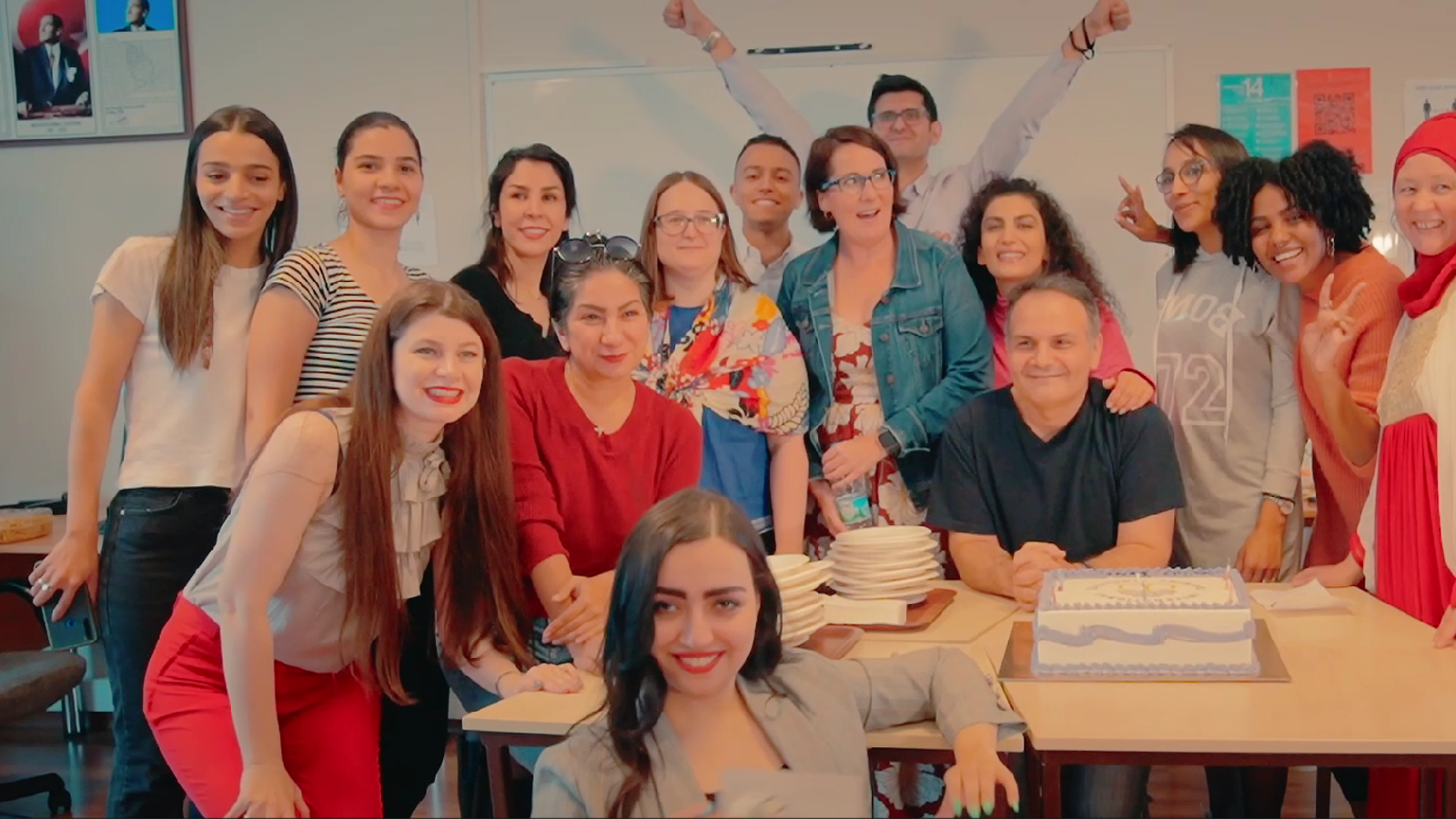
At ITI Istanbul, we’re excited to announce the launch of our very first Hybrid CELTA course. This course is designed to give you the flexibility of online learning. It also combines the in-person energy of classroom teaching practice in beautiful Istanbul.

For many aspiring English language teachers, choosing between an online CELTA and a face-to-face CELTA is challenging. Online courses offer convenience and flexibility, while in-person courses provide an immersive experience and direct classroom interaction. Our new hybrid format gives you the best of both worlds.

How it works

  • Weeks 1–3: Online learning and teaching practice
    Start your CELTA journey from the comfort of your own home. You’ll engage in live interactive input sessions. You will collaborate with your peers. You will gain your first teaching experience online. All of this comes with the expert support of ITI’s internationally recognised CELTA tutors.
  • Weeks 4–5: Face-to-face immersion in Istanbul
    Then, it’s time to put your skills into practice in a real classroom environment. You’ll complete the final two weeks of your CELTA at our training centre in the heart of Istanbul, teaching real learners of English and developing your classroom presence with hands-on support from our experienced team.

Why choose the Hybrid CELTA?

  • Flexibility & Accessibility – Begin your training online, saving on travel and accommodation costs for the first three weeks.
  • Immersive Classroom Experience – Gain the essential on-line teaching skills and  face-to-face teaching practice demonstrating to employers your added value.
  • Supportive Learning Community – Stay connected with your tutors and fellow trainees throughout the course – online and on-site.
  • Explore Istanbul – Combine your CELTA with the chance to experience one of the world’s most vibrant, historic, and multicultural cities.

Who is it for?

Whether you are starting your teaching career, looking for a professional qualification to open doors worldwide, or seeking to refresh your classroom skills, the Hybrid CELTA gives you the perfect balance of online flexibility and in-person experience.

Why ITI Istanbul?

  • Over 40 years of CELTA training excellence
  • Highly experienced team of Cambridge-approved trainers
  • A welcoming international learning community
  • The chance to join our global network of ITI alumni teaching across the world

The CELTA opens doors. The Hybrid CELTA opens them wider.
Join us for this exciting new format and discover the best way to launch – or relaunch – your teaching career.

📅 Next course starts: 5th January online (26th January – 5th February in Istanbul)
📍 Location: Online + ITI Istanbul

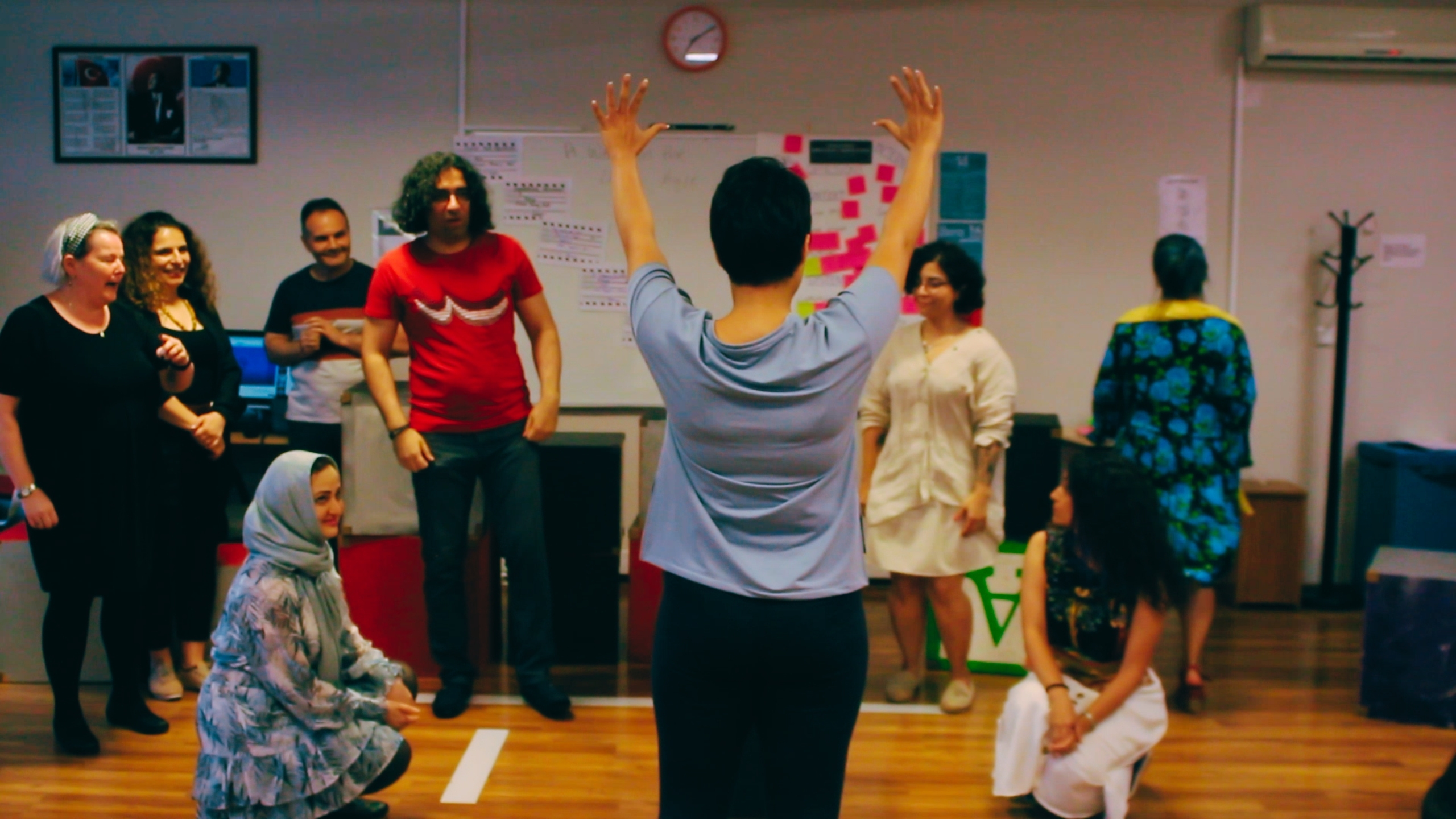
👉 [Apply now]

Posted in Uncategorized | Tagged , , , , , | Leave a comment

From Trainer to Facilitator: Reimagining Teacher Development

I’ve run countless workshops for teachers over the years. Most of them go well—laughter, lively discussions, positive feedback. But there’s one exchange that stays with me:

Me: Did you enjoy the workshop? Participant: Oh yes, it was a lot of fun. Me: Would you use any of these activities in your classroom? Participant: (pause) Umm… no, I don’t think so.

This response isn’t rare. In fact, it’s remarkably common.

Teachers cite all sorts of reasons: 🕒 No time. 📘 Pressure to finish the syllabus. 👥 Classroom management issues. 🏫 Institutional expectations. 😕 Or simply, “It’s not really my style.”

But what matters most isn’t the reasons—it’s what they reveal: The workshop was enjoyable, but not applicable. It didn’t lead to change.

And that’s the paradox at the heart of so many traditional training sessions: We engage teachers in professional development that doesn’t meet them where they are.

It’s time we stop treating teachers as passive consumers of ready-made solutions. They are co-creators. And their professional learning should reflect that.


🎭 Facilitation as Expression and Empowerment

Facilitation isn’t just about keeping time or managing discussions. It’s an expressive craft. A skilled facilitator creates space for teachers to share openly, sit with uncertainty, and explore challenges without fear of judgement.

In Community Forums, facilitation becomes the engine of transformation. It’s not about giving answers—it’s about creating conditions where new insights can emerge. It’s about shared ownership, not top-down delivery.


🔄 From Trainer to Facilitator: A Brave Shift

Facilitating means stepping back. It means trusting participants to surface the issues that matter to them, and to make meaning together.

This takes courage—and it takes skill. That’s why Community Forums focus on building facilitation as a performative skillset:

🎧 Listening with presence ❤️ Responding with empathy 🌀 Guiding without directing 🌱 Holding space for growth


When we move from delivering content to co-creating experience, something powerful happens: Teacher development becomes real. Relevant. Human.

And that’s what it should be.

🌍 Want to explore this approach with like-minded educators?

Join my free online community: Performative ELT — a space for teachers, trainers, and teaching artists interested in embodied learning, facilitation, and drama-based approaches to professional development.

✨ Share your ideas ✨ Try out new techniques ✨ Be part of a movement redefining teacher education

👉 Join here and help us reimagine what teacher development can be.

Posted in Teacher Development | Tagged , , , , , , , , , , , , | Leave a comment

Rethinking Teacher Development: What Are Community Forums?

What if professional development wasn’t something done to teachers—but something created by them?

That’s the idea behind Community Forums. It’s a powerful, participatory model. Educators come together to share experiences, reflect deeply, and explore solutions through performance.

A Different Workshop

Unlike traditional PD sessions that deliver top-down content, Community Forums are teacher-led, dialogic, and grounded in lived classroom experience. Inspired by the work of Augusto Boal and Paulo Freire, these forums blend embodied learning with critical reflection.

In a Community Forum, we don’t just talk about teaching—we perform it.

Here’s how it works:

Teachers bring their own stories—especially moments of tension or uncertainty.
✅ These “critical incidents” are re-enacted using movement, gesture, and improvisation.
✅ Participants step into each other’s roles, experiment with alternative actions, and uncover new perspectives.

This shift from talking to doing unlocks a deeper insight—one that’s felt, not just thought.

Why it matters:

  • 🌀 It’s participant-led – Teachers shape the content.
  • 🔍 It’s solution-focused – The goal is transformation, not just reflection.
  • 🔁 It’s multi-voiced – All perspectives matter.
  • 🎭 It’s embodied – We engage not just minds, but bodies and emotions too.

At its core, a Community Forum is a collective act of inquiry—and a space where teachers feel seen, heard, and empowered.

Not a Quick Fix—But a Real One

This isn’t a pre-packaged PD session. It takes time, vulnerability, and trust. But the rewards are immense:
💬 Stronger community
💡 Deeper insights
🔥 Renewed energy for the classroom

Curious to see what performative, teacher-led development can look like?

Let’s keep this conversation going.

🔗 Visit www.tom-godfrey.com for resources, videos, and upcoming workshops on Performative Pedagogy.

#TeacherDevelopment #PerformativePedagogy #CommunityForum #EmbodiedLearning #ELT #DramaInEducation #TeacherVoice

Posted in Teacher Development | Tagged , , , , , , , , | Leave a comment

Join the Performative ELT Community for Creative Growth


A Clarion Call to ELT!

Why do so many teacher development workshops leave us feeling inspired… but unchanged?

You’ve been there: the presenter is engaging, the activities are fun, everyone’s laughing and nodding. But when it’s over and someone asks, “Will you actually use this?” — you hesitate.
“It was interesting,” you say. “But it’s not really for me.”

Why the disconnect?

I believe it’s because real development can’t be handed to you in a slideshow. It has to come from you — your story, your voice, your body, your classroom challenges. That’s where performative pedagogy comes in.


Who Am I?

I’m Dr. Tom Godfrey — teacher, trainer, theatre director. For 40+ years I’ve worked with educators across the globe, helping them reconnect with the creative, embodied energy at the heart of teaching. What I’ve learned is this:

We don’t just teach with our heads. We teach with our whole selves.

That’s why we need new approaches to teacher development — approaches that are participatory, emotionally honest, and creatively alive.


What Is Performative Pedagogy?

It’s a way of teaching (and learning to teach) that sees the classroom as a space for human connection, not just content delivery. At its heart is something I call the Community Forum — a reflective, collaborative process grounded in applied theatre, inspired by the work of Augusto Boal and Paulo Freire.

In these forums, teachers:

  • Share their real-life classroom struggles
  • Re-enact them with peers using image, movement, and voice
  • Explore new possibilities by stepping into each other’s shoes
  • Reflect together, not just to “fix” the problem, but to see it anew

This is more than just PD. It’s teacher development as transformation — embodied, relational, and deeply human.


📘 The Handbook (and What’s Next)

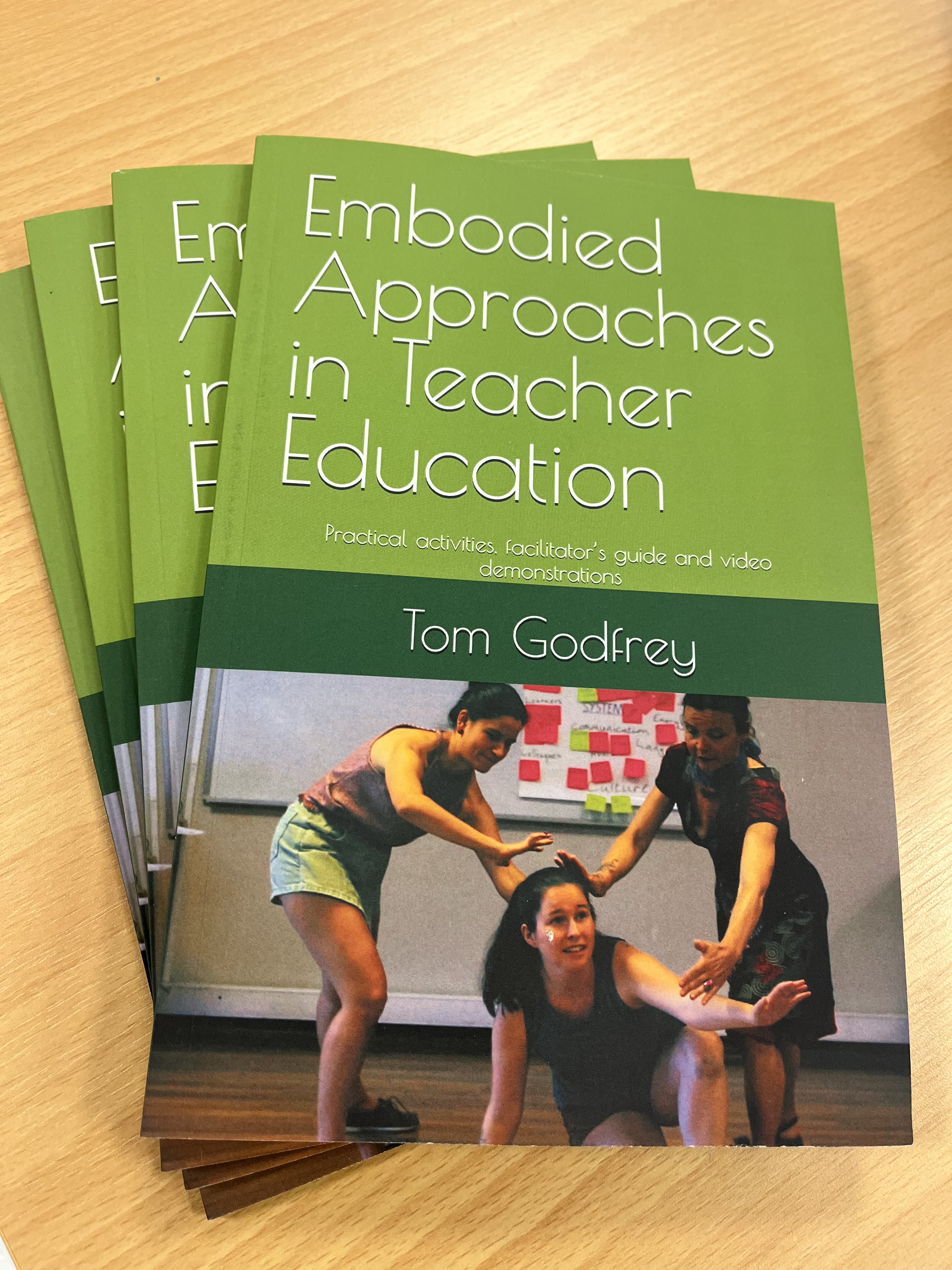
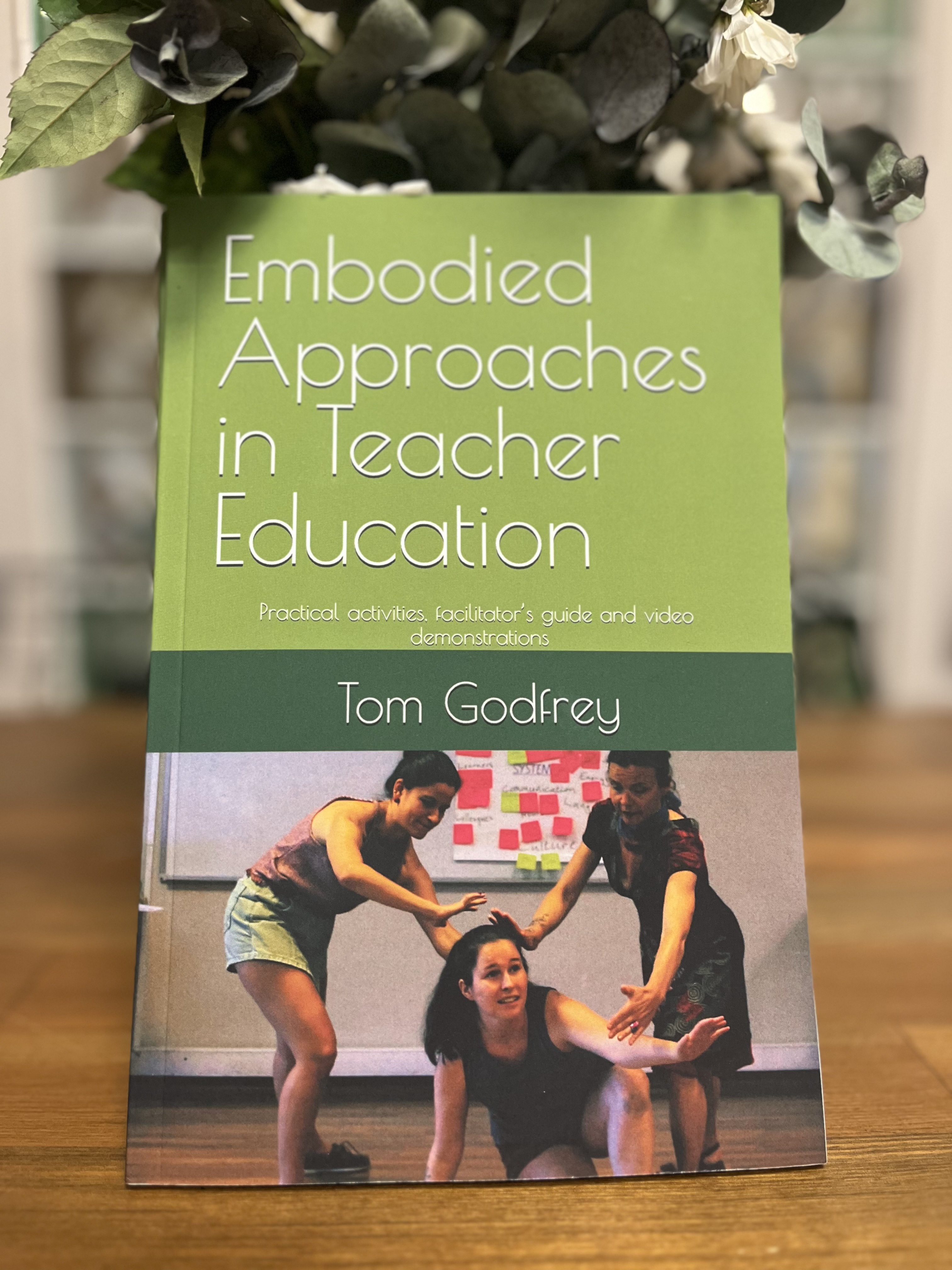
I’ve written a series of practical handbooks for teacher educators and facilitators who want to bring this approach into their work. It’s based on workshops I’ve delivered at our centre in Istanbul and online with teachers from around the world.

But the handbook is just the beginning.


🌍 Join the Movement: Performative ELT Community

If you’re an ELT teacher — especially if you’re just starting out — and you’re hungry for something deeper, more creative, and more you, I invite you to join the Performative ELT community.

This is a free space where you can:

  • Connect with like-minded educators
  • Access free training courses on performative pedagogy
  • Download my handbooks
  • Share your stories and challenges
  • Explore creative, embodied approaches to teaching
  • Be part of a growing movement to reimagine teacher learning

🔗 Join the community now


Because teaching isn’t a job. It’s a performance of care, courage, and connection.

Posted in Teacher Development, Uncategorized | Tagged , , , , , , , , , , , | Leave a comment

Who shaped the teacher you’ve become?

In my Teaching Artistry workshops, we explore how our teaching identity is deeply influenced by the role models in our lives.

For some, it’s a parent who modeled patience, strength, or open dialogue.
For others, it’s a former teacher whose passion made learning unforgettable.
And sometimes, it’s a colleague or mentor who helped us see that teaching can be both effective and joyful.

These reflections remind us that teaching is not just about delivering content—it’s about who we are in the classroom.

🌀 Who inspired your teaching approach?
🌀 How do you want to influence your learners?

In a world that often pushes us toward standardization, let’s stay grounded in what makes us unique. Reflect. Reconnect. Teach with intention.

✨ Want to dive deeper into identity, creativity, and performative teaching?
Join the Teaching Artistry online course.

🔗 www.tom-godfrey.com

Posted in Teacher Development, Uncategorized | Tagged , , , , , , , | Leave a comment

Join the Movement: Innovative Teaching Strategies for Educators

Are you an educator passionate about transforming traditional teaching into an engaging activity ? Connect with teachers and educators interested in exploring innovative, participatory teaching approaches. Join our free community now.

Time for a Rethink

Are we really preparing students for the world they live in—or just preparing them for the next test?

It’s time we rethought our entire approach to education. And that starts with Teacher Education.

For too long, teachers have been boxed in by rigid curricula, content-heavy syllabi, and top-down policies that prioritize control over curiosity, and standardization over real learning. But education doesn’t flourish in confinement—it thrives on connection, creativity, and flexibility.

The system needs a shift. A bold one.

Teaching isn’t about ticking off grammar points or racing through coursebooks. Yes, structure matters—but not at the cost of genuine engagement. When we loosen the reins, adapt to our learners’ needs, and make room for responsiveness and imagination, we create classrooms where students want to learn.

That’s the kind of classroom we should all be working toward.

We need to bring embodied, learner-centered approaches into our teaching. That means designing activities that resonate physically, emotionally, and intellectually with learners. It means valuing presence, participation, and personhood—treating our students not as empty vessels, but as complex individuals with voices worth hearing.

Engagement isn’t a side goal—it’s the foundation.
A classroom filled with active, curious, emotionally connected learners is one that manages itself. Discipline becomes less about control and more about mutual respect. Collaboration, critical thinking, and creativity flourish naturally in spaces that feel safe, open, and alive.

The curriculum is a guide—not a cage.
It gives direction, but not destination. As educators, we must be empowered to interpret, adapt, and even co-construct it with our students. When learners see their interests and identities reflected in the journey, they become collaborators—not passengers.

This is Whole Person Learning.
It’s time to move beyond just academic outcomes. We must nurture the full human being—balancing knowledge with motivation, skills with self-awareness, and tasks with trust. To do this, teachers need to develop not just subject expertise, but facilitation skills—the ability to build community, hold space, and lead with empathy.


To new teachers: This is your invitation.
Step into the classroom not just as an instructor—but as a change-maker. Be the teacher who doesn’t just follow a plan but creates space for transformation.

The future of education isn’t written yet. Let’s write it together. Are you an educator passionate about transforming traditional teaching into an engaging activity ? Connect with teachers and educators interested in exploring innovative, participatory teaching approaches. Join our free community now.

Posted in Teacher Development, Uncategorized | Tagged , , , , , , , , , | Leave a comment

Embodied Pedagogy: Unlocking Teacher Growth

Learning Through Action

One of the most powerful ways to explore teacher identity is through doing. In my workshops, teachers engage in participatory activities followed by reflection. This process often reveals unconscious patterns—helping educators better understand their behaviors, beliefs, and teaching styles.

Teaching as Transformation

What happens when you become an owl?

This imaginative activity, inspired by Alan Maley’s vocal work, is more than just playful—it invites teachers to reconnect with their creative instincts. Many adults feel awkward stepping into role-play, while children embrace it instinctively. This contrast reminds us how drama can unlock imagination and awaken the “inner child” we often forget in professional life. Click here for a demo

Growing Through Awareness

Facilitation begins with awareness—of self, others, and our own values. To nurture this, I use embodied activities that stretch both imagination and perception. One such example is:

Colombian Hypnosis

In pairs, one person leads by holding their palm a short distance from their partner’s face. The follower must maintain that exact distance, no matter where the hand moves—forcing them into exaggerated, unfamiliar movements. Eventually, roles reverse, and both partners lead and follow at once.
This activity sharpens focus, encourages non-verbal communication, and increases body awareness. It’s physical, fun, and deeply reflective.
Watch a demo here

Reflection prompts may include:

  • How did it feel to lead/follow?
  • What does this reveal about your teaching habits or classroom dynamics?

Embodied Group Activities

Here are a few other engaging techniques I use in workshops:

  • Cat and Mouse Tag – Builds energy and group coherence; opens space for reflecting on roles we adopt in life.
  • Map on the Floor – A visual activity encouraging self-disclosure and trust.
  • Wink Game / Everyone Who… – Enhance eye contact, group focus, and awareness of interpersonal dynamics.

These activities foster self-expression, emotional presence, and group connection—skills that are vital in today’s classrooms but often overlooked in teacher education.

Why Performative Skills Matter

While cognitive knowledge is emphasized in teacher training, performative skills—like presence, voice, gesture, and adaptability—are often neglected. Embodied pedagogy bridges this gap, supporting teachers to grow not only professionally, but personally.

A Space to Explore

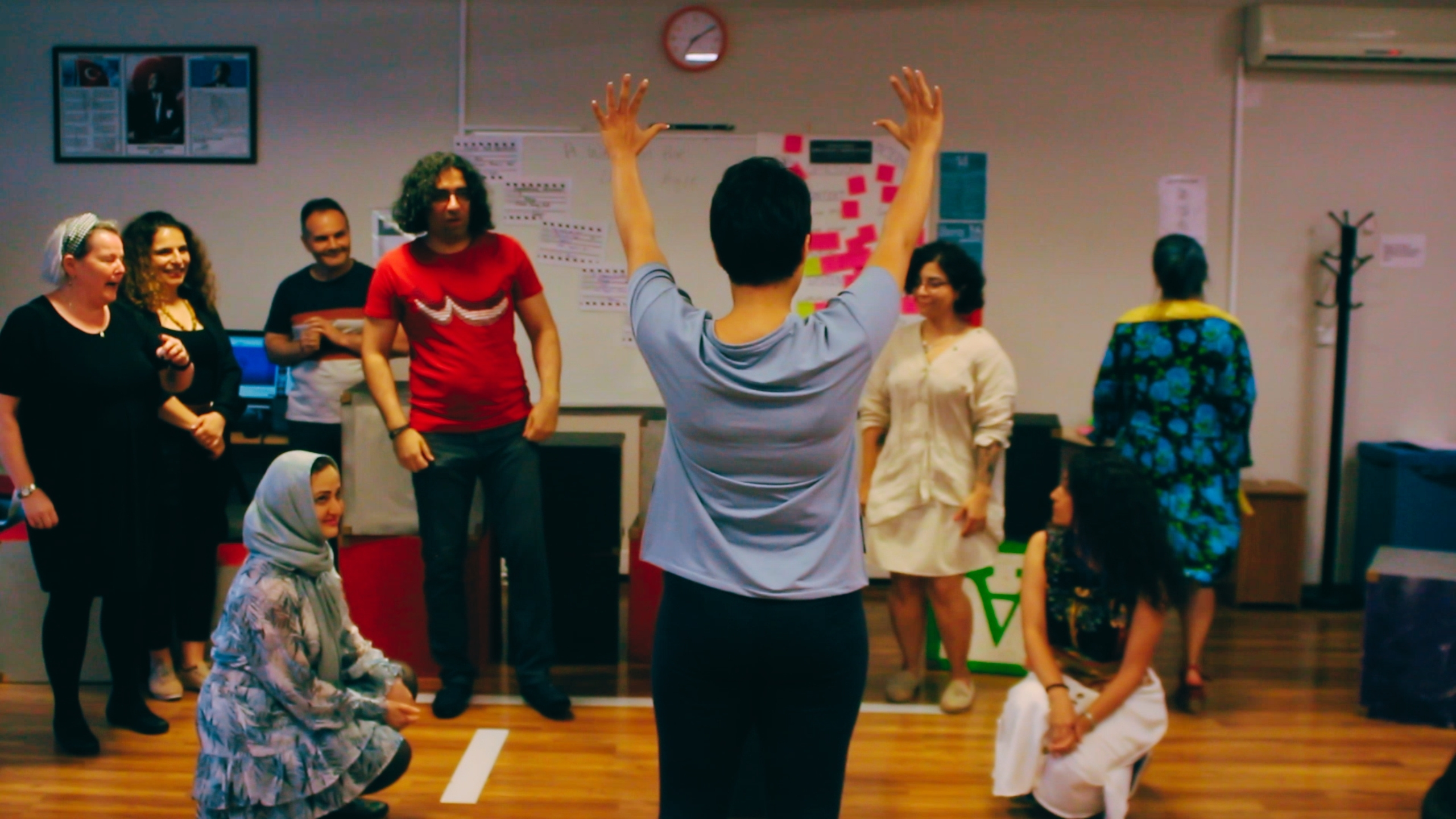
Every July, I host a face-to-face weekend workshop in Istanbul focused on performative pedagogy. Together, we:

  • Practice drama-based techniques adaptable for ELT classrooms
  • Reflect on our teaching identities
  • Explore what it means to be fully present, engaged, and responsive as a teacher

As one participant shared:

“This workshop unlocked something powerful in me. I teach differently now—more freely, more fully myself.”

Join the Journey

I invite you to step into this space of exploration, creativity, and growth. Embrace the power of embodied learning and rediscover your voice as a teacher.

🔗 Dive deeper into this approach through my blog www.tom-godfrey.com and YouTube channel for resources, activities, and reflections.

Let’s grow, together. Join our free community Performative ELT

Posted in Teacher Development | Tagged , , , , , , , , | Leave a comment

Teacher Identity: A Journey of Self-Discovery

Why Identity Matters

Our identity shapes who we are—not just as educators, but as human beings. It’s a tapestry of our beliefs, behaviors, values, and emotions. To grow as teachers, we must explore the deeper question: Who am I in the classroom?

Questions That Guide Us

Self-discovery begins with reflection. Ask yourself:

  • Why am I here—right now, in this moment?
  • Why did I become a teacher?
  • What kind of teacher am I becoming?

These questions don’t have quick answers—but they open a path to greater awareness of your values, motives, and teaching style.

Two Avenues to Self-Awareness

1. Reflecting on Role Models

Our identity is often shaped by those who came before us.
For me, that person was my father. Quiet and introverted, he was the opposite of my exuberant Irish mother. He rarely spoke in crowds, but when he did, his storytelling held everyone captive. It taught me that presence isn’t about volume—it’s about timing, authenticity, and knowing when to take the floor. That lesson still informs how I teach.

2. Learning Through Contrast

We also learn from those who challenge our assumptions.
Early in my career, I worked with Esat Hoca, a Naval Academy teacher who proudly claimed: “I don’t care if learners like me, as long as they learn.” I disagreed—surely connection matters?
But I watched as his students worked with focus and respect, not because they liked him, but because they trusted his commitment. He taught me that an emotionally safe classroom can be built in many ways—and that authenticity, not popularity, is key.
The takeaway? There’s no single formula for effective teaching. Different styles work—as long as they’re grounded in genuine care.

Who Shaped You?

Think back to your own journey. Who influenced the teacher you’ve become? What lessons did they teach you—directly or indirectly?

Self-discovery is the foundation of professional development. The more we understand ourselves, the more intentional and impactful we become as educators. Join our free community Performative ELT

Posted in Teacher Development | Tagged , , , , , , , , | Leave a comment

Embodied Teaching: Transforming Professional Development

The Art of Teaching: Embodied Approaches to Professional Development

What does it mean to take an embodied approach to teaching?
For me, it means being fully present—mentally, emotionally, and physically. It’s about the energy a teacher brings into the classroom and the dynamic interplay with learners. When a teacher is fully engaged, learning becomes meaningful and transformative. Embodiment isn’t a technique—it’s a holistic state of mind, body, and spirit.

Why Teaching Is an Art

I believe teaching is more art than science. Here’s why:

  1. It’s Heuristic – Teachers make real-time decisions in unpredictable moments.
  2. It’s Improvisational – No lesson ever goes exactly as planned.
  3. It’s Embodied – Teaching requires physical presence and emotional investment.
  4. It’s Emergent – Learning outcomes often unfold in the moment, not by prescription.

Yet most teacher training focuses on procedure—planning lessons, writing aims, following set methods. During the pandemic, this approach was further challenged. Teaching went online, and with the body removed from the classroom, we had to reimagine what “presence” meant.

Rethinking the Role of the Teacher

This shift sparked a deeper question:
Are teachers just transmitters of content—or facilitators of understanding, growth, and transformation?

From my experience, teachers fall along a spectrum.

  • On one end are those who deliver content with precision, following what I call the competence model: structured, aim-driven, and teacher-centered.
  • On the other are those who teach through performance: adapting to learners, encouraging communication, and creating learner-centered spaces.

Most teachers move between these roles, depending on context and confidence.

The Head, Body, and Heart of a Teacher

Ultimately, a teacher draws on three essential dimensions:

  • Head – Knowledge and theory
  • Body – Practice and lived experience
  • Heart – Personality and emotional connection

So… what kind of teacher are you? And how can you grow into the teacher you want to become?

In my next post, I’ll explore how to reflect on your teaching identity and develop the skills to bring it to life.

If you want access to online courses, handbooks, lesson plans on this topic. Join our free community Performative ELT.

Posted in Teacher Development | Tagged , , , , , , , , | Leave a comment

Transforming Teacher Development with Performative Pedagogy

In recent years, there has been a growing recognition that traditional models of teacher development often fall short. Workshops are delivered with enthusiasm, participants respond positively, and yet when asked if they will use what they’ve learned, many teachers hesitate. “It was a lot of fun,” they say. “But it’s not really for me.” Why the disconnect?

This handbook and my upcoming online course is my response to that question. You can access all these resources by joining our free community on this link

My name is Dr. Tom Godfrey. I am a teacher, teacher educator, and theatre practitioner. Over the past three decades, I have worked in classrooms and training rooms across the globe. In that time, I have come to believe that sustainable teacher development requires more than exposure to techniques. It requires space for reflection, ownership of content, emotional engagement, and a willingness to see teaching not just as the transmission of knowledge but as a fundamentally human, creative, and performative act.

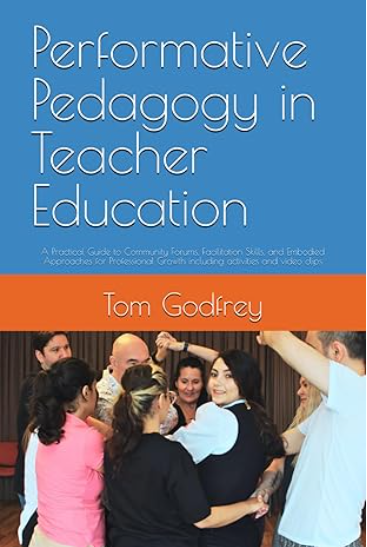
Performative Pedagogy and Community Forums for Teacher Development introduces a practical framework for participatory, teacher-led professional development grounded in the principles of applied theatre. This approach invites educators to draw on their lived experiences, explore their challenges through movement, voice, and image, and engage in dialogic reflection with their peers. The goal is not merely to improve performance in the classroom but to reimagine what teacher learning can look and feel like when it is embodied, collaborative, and emotionally resonant.

The core methodology—Community Forums—is inspired by Augusto Boal’s Forum Theatre and Paolo Freire’s pedagogy of critical consciousness. In adapting these powerful models for teacher education, we create opportunities for teachers to share and re-enact their own stories of challenge, to experiment with alternative actions, and to build facilitation skills that support genuine dialogue and transformation.

This handbook outlines the structure, philosophy, and activities of a series of workshops I have delivered at our training centre in Istanbul and in various online contexts. It is intended for teacher educators, facilitators, and anyone interested in developing a humanistic, embodied, and participatory approach to teacher learning.

If you are interested in drama and innovative teaching approaches join our ‘free’ community on this link


Posted in Teacher Development, Uncategorized | Tagged , , , , , , , , , , , , , | Leave a comment