
What are Facilitation Skills?
Facilitation skills are vital tools in guiding groups through discussions, meetings, and learning processes to achieve specific goals. But before considering what these skills entail, let’s step back and consider the broader landscape of teaching and learning.
Teaching and learning encompass a spectrum of approaches and philosophies. At its core, teaching can be seen as both imparting knowledge to learners and guiding them in the process of learning itself. Similarly, learning involves not only acquiring information but also applying it actively. These perspectives reflect a fundamental epistemological distinction: positivism versus constructivism.
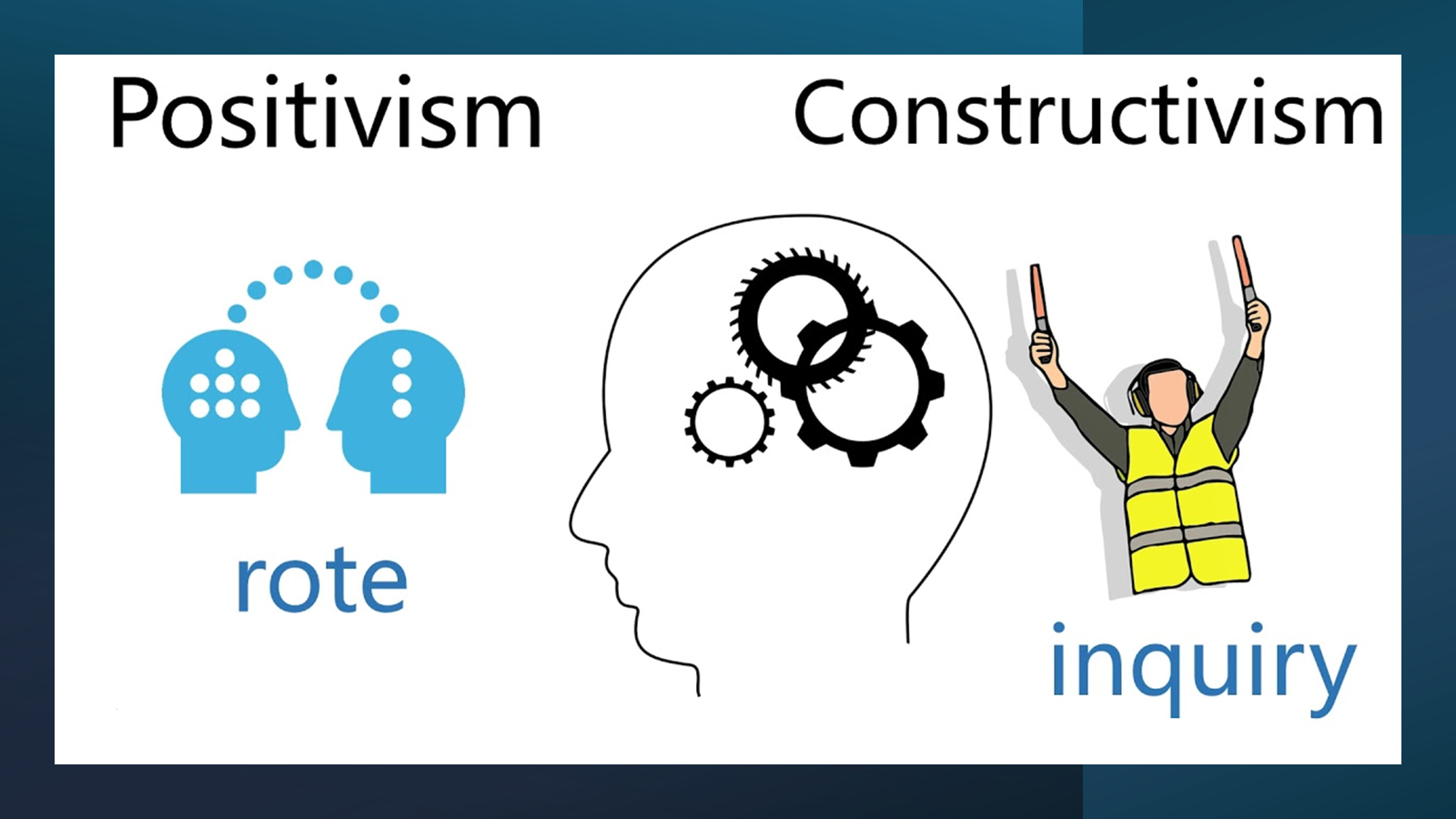
Positivists view knowledge as external and objective, something to be transmitted from teacher to student in a linear fashion. In contrast, constructivists see knowledge as constructed through social interaction and negotiation of meaning. This philosophical divergence profoundly influences teaching methodologies. Positivist educators may prioritize rote learning and information transmission, while constructivist educators emphasize inquiry, problem-solving, and collaborative learning experiences.
Within the realm of English as a Foreign Language (EFL) teaching, these philosophical orientations manifest in two distinct models: the competence model and the performance model. The competence model aligns with a positivist perspective, where teachers act as transmitters of information, and lessons are structured around predetermined aims and materials. In contrast, the performance model, rooted in constructivism, views teachers as facilitators of discovery, guiding learners through authentic, personalized learning experiences that prioritize language use and interaction.

Embracing the performance model necessitates honing facilitation skills to effectively guide learner interactions and foster meaningful learning experiences. Facilitation skills, fundamentally, are tools that promote interaction and collaboration in various social settings, whether in workshops, meetings, team-building exercises, educational contexts or even at home with the family.
Building Rapport
Communication lies at the heart of facilitation skills, encompassing both verbal and non-verbal techniques to encourage participation and understanding among group members. Moreover, effective facilitation involves creating a positive learning environment where participants feel valued, empowered, and motivated to engage with one another towards shared objectives.
One strategy for cultivating a positive learning environment is through the use of icebreakers and warm-up activities. These activities, such as “find three things in common” or “find someone who,” not only help participants get acquainted but also set the tone for open communication and collaboration. Mingling activities, in particular, encourage active engagement and provide facilitators with valuable insights into participants’ strengths, interests, and levels of engagement.
The advantages of such activities are manifold. They promote confidence, relaxation, and language use, particularly in English language classrooms. They also facilitate rapport-building among participants and between participants and facilitators, laying the groundwork for productive collaboration. Additionally, these activities serve as energizers, fostering a dynamic and participatory learning atmosphere.
In essence, facilitation skills are essential for guiding groups towards collective goals, whether in educational, professional, or personal settings. By fostering effective communication, creating supportive environments, and employing engaging activities, facilitators empower participants to actively participate, collaborate, and learn together

 Tom Godfrey