
Reflecting through Action
One potent method to heighten awareness of our sense of self-identity involves reflecting on our behaviors in specific situations and activities. In my teacher development workshops, participants engage in various activities, followed by reflections on their conduct. This transformative approach allows individuals to explore why they behave in certain ways, thereby elevating their understanding of their identity.
Metaphorical Transformations
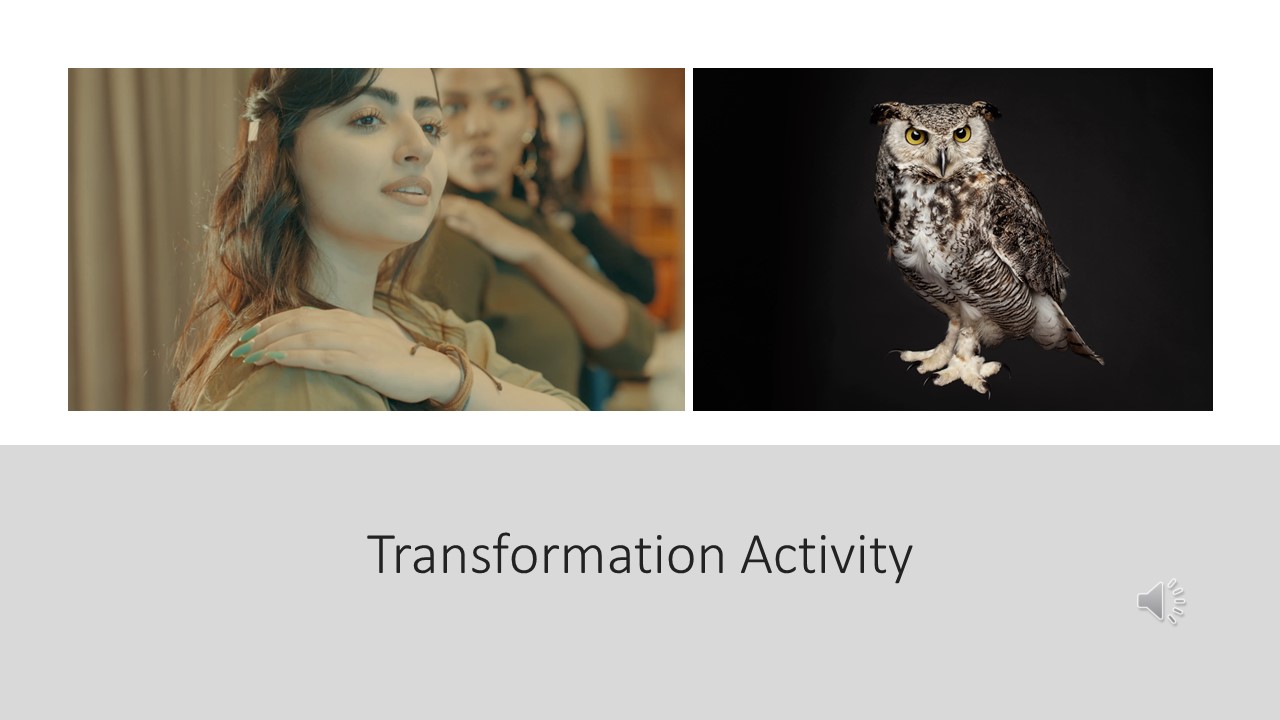
Imagine transforming yourself into an animal—an owl, to be precise. This isn’t about grammar; it’s an imaginative exercise borrowed from Alan Maley’s work on vocal activities. By embodying this transformation, we aim to stimulate teacher creativity and imagination. The subsequent reflection phase is crucial. Teachers often express feelings of discomfort or strangeness during the activity. Yet, children effortlessly and naturally engage in imaginative transformations during play. This contrast highlights the nature of drama—an avenue to unlock our imagination and nurture the child within us.
Facilitating Growth through Awareness
Facilitation involves three key elements: self-awareness, awareness of others, and understanding one’s identity in terms of beliefs and attitudes. To cultivate these skills, I employ an array of activities aimed at fostering self-discovery and developing interpersonal connections within groups. One activity to develop awareness of self and others in Columbian hypnosis:
The reflection after this activity can include the following question prompts:
Interactive Techniques
From kinesthetic drills to engaging games, these activities stimulate group cohesion, enhance communication, and prompt reflection:
- Cat and Mouse Tag: An energizing game fostering group coherence and communication. It triggers reflection on being chased or chasing in one’s life.
- Map on the Floor: An activity fostering self-disclosure, building rapport, and trust within a group by sharing personal information.
- Wink Game and Everyone Who…: Activities enhancing eye contact, concentration, and group movement, encouraging active participation and reflection on group dynamics.
Performative Skills and Teacher Development
Teacher education should delve into the wellspring of teachers’ creative energy and nurture personal expression through performative skills. By fostering self-awareness and reflection, performative pedagogy offers educators a shared experience, enabling them to articulate their struggles and develop a newfound level of self-efficacy.
The Quest for Performative Skills
While cognitive skills are widely acknowledged, the significance of performative skills remains undervalued in education. Raising awareness through activities that explore self, others, and context fosters meta-performative skills—enlightening educators about their life journey’s influence on their teaching identity.
Exploration and Invitation
In the upcoming face-to-face workshops this July, we will explore facilitation skills in teaching contexts, experiment with drama activities transferable to classrooms, and delve into the essence of being an ELT teacher. You can explore more insights on facilitation skills and drama in ELT through articles, lesson plans, and videos on my blog and YouTube channel.
Your Path to Growth
I invite you to join us on this enlightening journey of self-discovery and professional development. Embrace the transformative power of embodied pedagogy and immerse yourself in the realm of performative skills to elevate your teaching prowess.
As one of the participants from last year’s workshop attested:
Let’s embark together on this transformative expedition of self-discovery and pedagogical growth!

 Tom Godfrey