
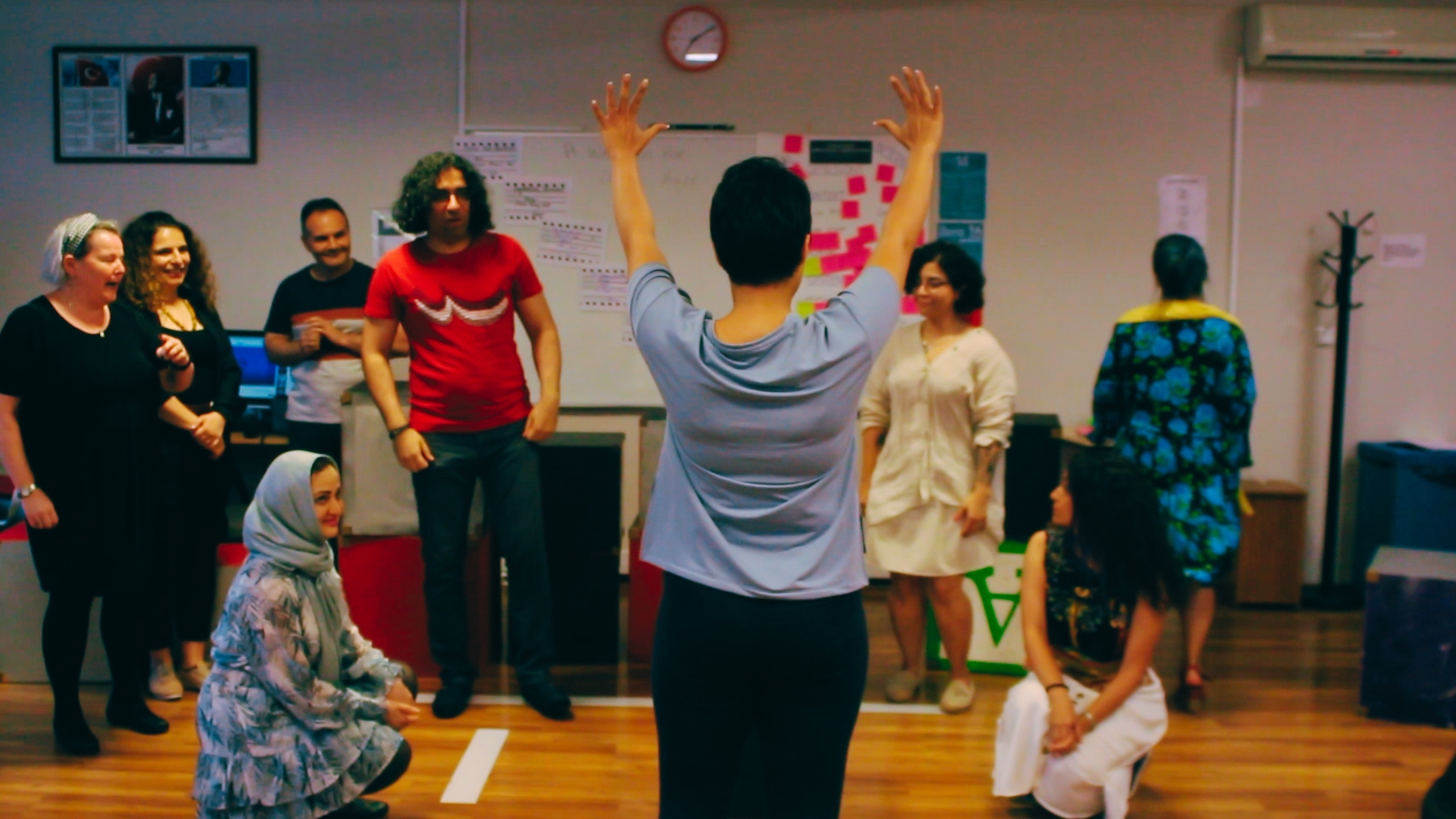
Social and Emotional Learning (SEL), as outlined by CASEL (Collaborative for Social and Emotional Learning), encompasses five core competencies that revolve around self-identity and interpersonal connections. These competencies contribute significantly to fostering a conducive environment and nurturing relationships within a classroom setting.
1. Self-awareness
Self-awareness involves understanding our emotions, thoughts, and identities in various situations. A robust self-identity acts as a shield against adverse experiences and fosters improved academic, social, and emotional outcomes. Encouraging introspection allows individuals to navigate their emotions effectively and consider personal growth opportunities.
Activity: Blind Trust Participants pair up, with one person blindfolded (the “blind”) and the other as the guide. The blindfolded individual relies on their other senses while the guide assists, fostering trust and enhancing sensory perception. Reflections often focus on coping mechanisms during difficulties, resisting temptation, and managing intrusive thoughts, providing significant learning opportunities through self-disclosure.
2. Self-management
Beyond recognizing emotions, self-management involves effectively handling them. It revolves around converting self-awareness into actions that benefit oneself and others. Encouraging young minds to devise plans, work towards goals, and exercise control during challenging moments fosters a sense of agency and purpose.
Activity: Wall Crash In this activity, participants run towards a wall, trusting that their colleagues will shout “stop” before any collision occurs. The body language and purposefulness of each participant’s run indicate their perceived control of the situation, leading to reflections on risk-taking tendencies and strategies for managing risks.
Activity: Positive Affirmations Participants engage in repeating positive statements aloud, reinforcing self-belief and positivity, countering negative self-talk often prevalent in professional settings.
3. Social awareness
Social awareness revolves around empathy and understanding others’ perspectives. It cultivates compassion and acceptance, essential for fostering inclusive and respectful environments. Learning from diverse experiences enhances a sense of belonging and promotes overall well-being.
Activities: ‘3 People Walking’ and ‘Find Your Sound’ In ‘3 People Walking,’ participants move as a group, with the leader calling out one person to walk until another change is signaled. ‘Find Your Sound’ involves partners creating sounds and trying to locate each other in a dispersed circle, promoting cohesion and awareness of others.
4. Relationship management
Relationship skills encompass various interactions leading to meaningful connections. Effective communication, collaboration, and problem-solving contribute to positive relationships. Encouraging these skills prepares individuals for interactions within various contexts, from classrooms to professional environments.
Activity: Zombie In this team-oriented activity, participants prevent a designated ‘zombie’ from sitting by occupying an empty chair, stimulating discussions on effective communication, leadership, and problem-solving within groups.
5. Responsible decision-making
Responsible decision-making involves thoughtful consideration of consequences and impacts on others. It encourages critical thinking, curiosity, and open-mindedness, essential for informed decision-making.
Activity: The Knot Participants stand in a circle, joining hands to create a knot without releasing any hands. The aim is to untie the knot cooperatively, fostering discussions on perseverance, cooperation, and effective teamwork.
Fostering a Supportive Learning Environment
Creating a safe, inclusive, and welcoming learning environment is pivotal for effective education. Teachers play a vital role in cultivating empathy and support among learners, fostering positive social relations through participatory activities. Embracing a shift from social control to engagement amplifies holistic education, acknowledging learners’ emotional, social, and mental needs alongside academic content.
In essence, cultivating stronger relationships in the classroom empowers teachers to excel in their roles while enhancing students’ learning experiences.

 Tom Godfrey