What is rapport?
Rapport is all about building a positive classroom dynamic. Rapport is the connexion between the teacher and the learners and also the learners and other learners.
In life there are some people who we get on with – there is a positive chemistry

and others who we respond to negatively.

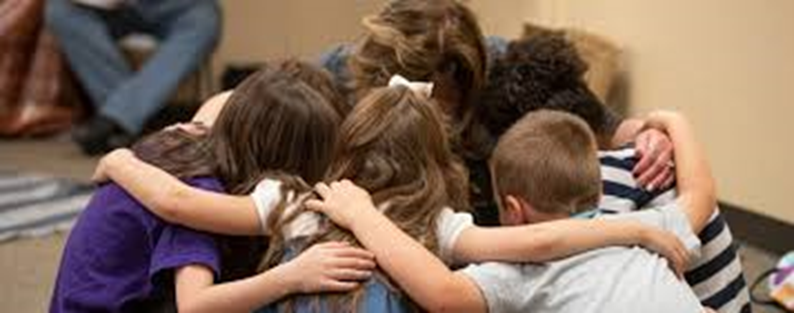
This is also true with classes: There are some classes where there is a positive energy and group dynamic – the teacher feels energised by the learners and the learners feel energised by each other.
Why is rapport important?
It is easy to recognise a group with a positive rapport – the learners and teacher maintain eye contact for longer periods, the body language is positive, learners interact with each other and there is a ‘buzz’ of excitement and expectation. When there is a positive classroom dynamic and a good rapport between the teacher and the learners and the learners amongst themselves, we hear excited voices, laughter and learners who are engaged in the lesson. This is when learning can really happen and indeed learning happens naturally and is joyful and fun.
And then there are other groups where the atmosphere is negative and energy is drained from the teacher and the learners. There is no connexion, minimal eye contact and a lack of focus and in these circumstances learning is very difficult.
So how do we build rapport?
Particularly how do we build rapport online where there is no physical connexion between the participants.
There are some things that we can do to help build rapport and these need to happen in the very first lesson. The first lesson is when the teacher can start establishing connections with the learners and create the learning atmosphere and culture. The learners will be at their most responsive and enthusiastic in the first lesson.
A key way to initially establish rapport is through eye contact with all the learners – obviously this is easier online where you can see the learners and they can see you as the teacher. You need to tell learners to turn on their camera. If a learner is sitting in the zoom room for example and you can’t see them then it’s very difficult to build a connection – you don’t know what they’re doing or even if they’re there – so establish eye contact and smile at the beginning of the lesson obviously in a face to face classroom you can get learners to sit or stand in a circle so that everybody can see each other and then it’s a good idea to have an ice breaker and warmer activity that also can reinforce the eye contact.

The other very important factor in building rapport is acknowledging all the learners and not leaving anyone out – everyone needs to feel involved and contributing to the group in the first few minutes of the first lesson. This is why learning and using the learners’ names is important – your name is kind of your label – it’s your identity and if your name is spoken by the teacher or the other learners that introduces you and establishes you in the group – if you have an opportunity to state your name and introduce yourself to the group – you have contributed. If you are teaching online make sure all the learners have their names on the screen by the name they want to be known by in the lessons.

A Warmer Activity
There are a number of warmer activities that you can do to establish rapport and build a good group dynamic that involve names particularly in the first lesson.
A simple activity that I like is the ball game and essentially it’s basically the teacher saying – ‘okay what’s this?
‘Yes it’s a ball. What colour is it? Yes it is red Kristina – not green Mehmet. Are you colour blind?’
In a face to face class you can use a real ball but an imaginary ball works fine online – even in a face to face class an imaginary ball is actually more effective in many ways because learners don’t drop it and they don’t need to catch it and an imaginary ball can change colour and shape.
‘Okay so what I’m going to do is – I’m going to throw the red ball to you I want you to catch it say your name then throw it to another student and then fold your arms. Is that difficult? No? But I also want you to remember who you throw the ball to and their name. OK?’ Then I throw the ball to a learner and we start the game.
So this is just a very quick way of getting all the students to introduce themselves to the group and say their name. The reason why people fold their arms is so you can see when everyone has caught the ball and said their name.
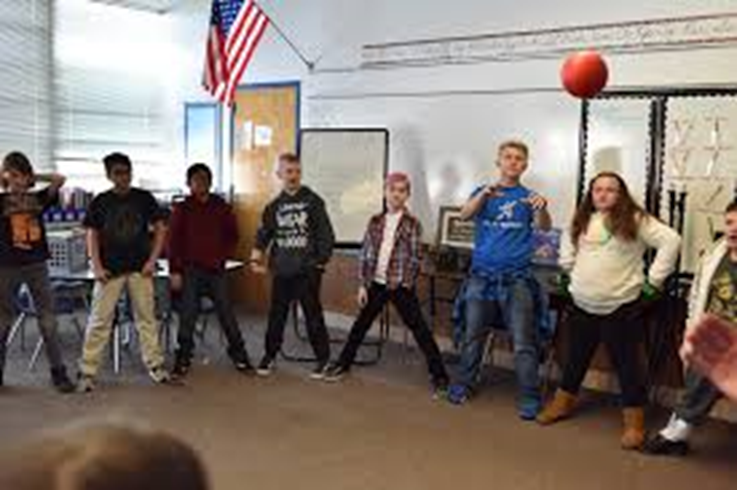
Next you tell the students that they have to throw the ball again but in exactly the same order – this time they have to say the name of the learner they are throwing the ball to. This becomes a little more challenging as learners have to remember two things. Often once I have done this with a red ball we can introduce different coloured balls and they go round the group in a different order until we have 3 or 4 different coloured balls all in the air at once. This activity works with a smallish group of 6 – 10 learners but larger than this can get chaotic and it is better to do it in groups in BORs.
Once learners are familiar with the ball game, it can be extended so that you’re not only just saying your name you’re adding some other information about yourself – where you live / your favourite food etc or it could be made into a game where the ball can change shape – catch a small ball and throw a big ball – or each learner has to catch it in a different way – with their shoulder or mouth (or change the ball into a bag / or glass and this adds an element of creativity and fun).
Obviously the idea of throwing a ball can be extended to other teaching contexts and you can use it in other lessons so instead of throwing a ball you could be throwing an animal or an object or a verb or basically anything and it’s a way of recycling vocabulary.
The Rationale
Starting your online lesson like this shows learners important principles about your teaching philosophy.
It shows learners -They need to be active, engaged and participate; Lessons can be fun; They need to interact and work together collaboratively; They will be listened to and included in the group; They are trusted to work autonomously in pairs and groups.
Important to convey your principles in the first lesson when learners are at their most engaged and receptive.
To summarise the key points of building rapport
- Make eye contact with all the learners and smile encouragingly
- Start with an ice breaker to engage all the learners
- Learn and use all the learners’ names
- No one must be left out
- Establishing rapport and building a positive group dynamic starts in the first lesson.

 Tom Godfrey
Thank you Tom💖
Very useful tips
Simple but important points! Thanks a lot